
PEER-TO-PEER LEARNING FOR AGENCY LEADERS
EVENTS
GYDA run events for our digital agency community. From Mastermind Taster Sessions to Masterclasses, Conference to Roundtables.
WHAT’S COMING UP?
The following events are all open to non-GYDA members. Click to read more and register:

AGENCY EXECUTIVE DINNERS
BRISTOL 19/11/26
Bristol Creative Industries and GYDA are hosting a dinner on 19th November 2026 at Hotel du Vin, Bristol City Centre, where Janusz Stabik will discuss: The New Business Problem - Winning work when AI makes every agency look competent.
AI has made every agency look good. Decks are sharper, proposals are faster, output is cleaner, and the average standard of work in the market has risen fast. That's a problem, because the things agencies have historically won on- responsiveness, quality, being nice to work with- are now table stakes and increasingly automated.
Join us to discuss commercial exposure, positioning and sales efficacy over a beautiful Hotel du Vin three-course dinner with twenty other agency leaders sharing where their own new business actually comes from, what happens to that engine over the next 24 months, and what to do about it.
LOCATION: Hotel du Vin - Bristol City Centre, The Sugar House, Narrow Lewins Mead.
DATE: Thursday 19th November 2026, 6.30pm-10.30pm
FORMAT: Evening dinner for 20 people
TICKET: This event is for agency leaders only. Tickets cost £80 +VAT. Tickets include dinner and drinks.
REGISTER: Click here to register directly if checkout below unavailable.

ONLINE WORKSHOPS
GYDA ONLINE WORKSHOP
Join our one-hour online workshop where Robert Craven will be talking: ‘Psychological Safety - The Performance Lever Most Agencies Ignore.’
LOCATION: Online
DATE: Tuesday 27th October 2026
TIME: 12-1pm
FORMAT: Workshop
TICKET: This event is free to attend for agency leaders.
GYDA ONLINE WORKSHOP
Join our one-hour online workshop where Robert Craven will be talking about agency growth in 2027.
LOCATION: Online
DATE: Tuesday 17th November 2026
TIME: 12-1pm
FORMAT: Workshop
TICKET: This event is free to attend for agency leaders.
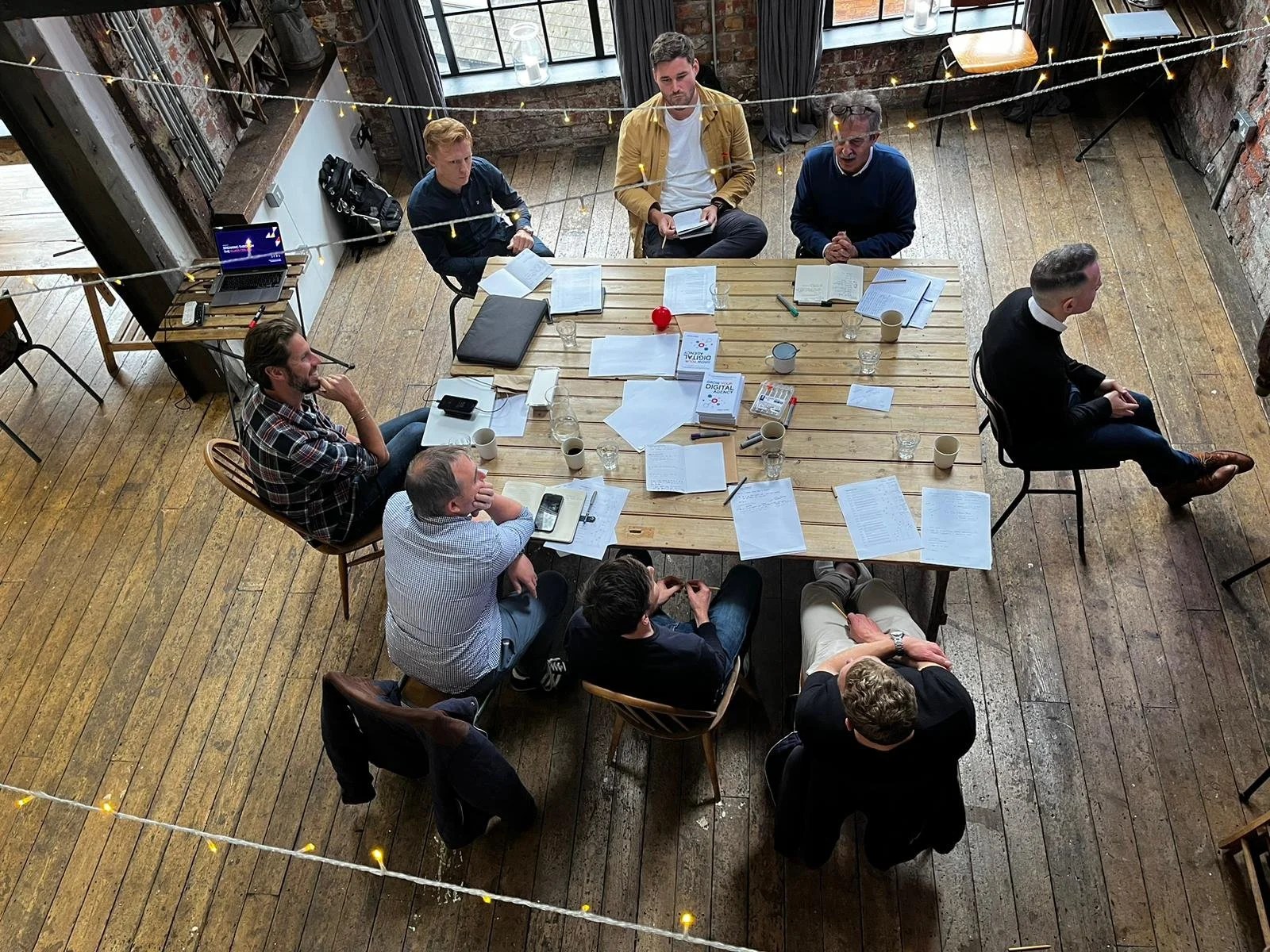
MASTERMIND SESSION
Join our agency leader half-day event
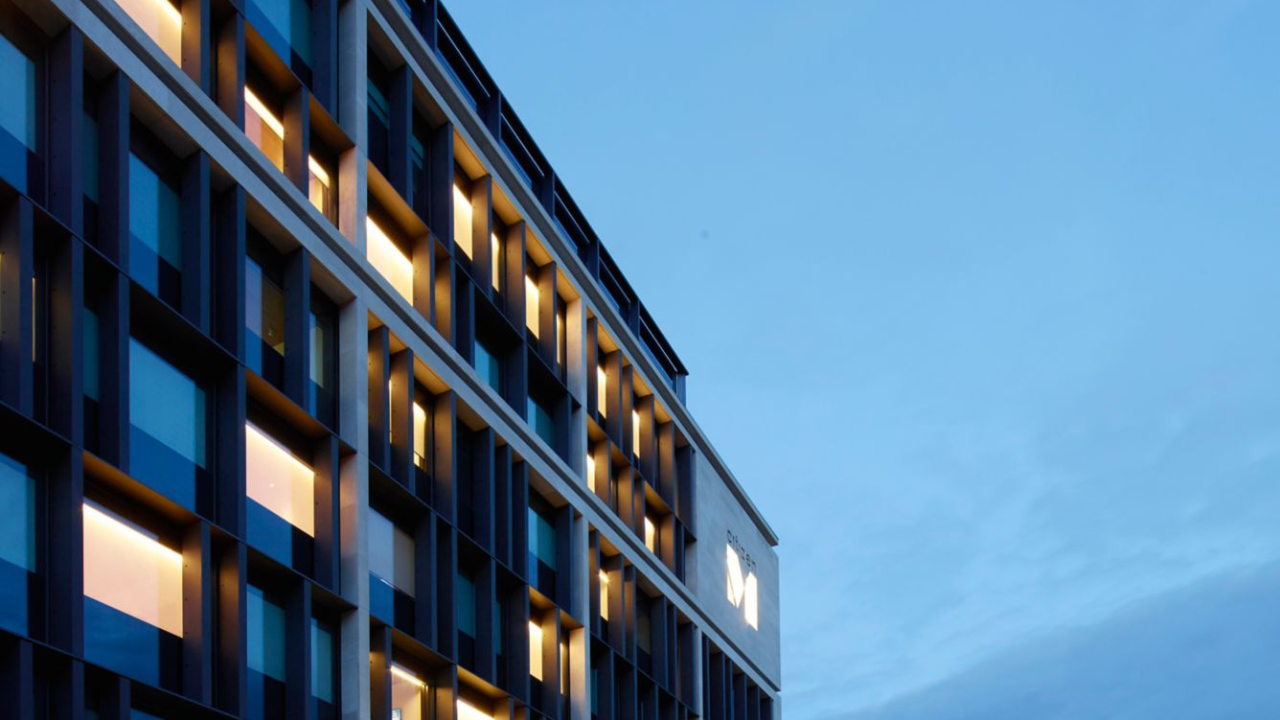
LOCATION: Citizen M, Tower of London
DATE: Coming soon
FORMAT: Half-Day Mastermind for agency leaders
DELEGATES: Agency leaders - businesses sized 2-12 and 10-35 staff.
TICKET: This event is for agency leaders only. Tickets cost £125 +VAT.
NB: Existing GYDA Members… please view your client portal for group events!
Join us for a half-day GYDA mastermind session and spend dedicated time working on your agency. A bespoke agenda will be curated for you and your agency peers by Janusz Stabik who, after lunch, will take you through a half-day GYDA mastermind; including a strategy workshop session, peer-learning exercises.
You’ll leave the day having learnt how good your business is and how to score it effectively, plus how to identify and prioritise issues… resulting in the visibility and crux of what you need to do to grow your agency.
Click here to register directly if checkout opposite not available.
GYDA FORUM
A private working session
for agency leaders.
Want clarity before making your next move?
50 agencies. Four rooms.
Shared data, shared insight.
Openly compare performance: growth rates, margins, pricing models, utilisation, team composition, and strategic focus.
The goal isn’t competition - it’s context. You’ll leave knowing what “good” actually looks like right now, where you’re ahead, and where you’re exposed.

PRACTICAL AND INSPIRING
"The Breaking £1M workshop was both practical and inspiring, and I found it a great investment in my business. It was run at a good pace, with lots of interactivity as well as useful learning. I enjoyed hearing the case study from a business I admire, and the energy in the room throughout made for an uplifting experience, with everyone encouraged to share and be candid, which was refreshing. I’m already taking action and am looking forward to an accountability follow-up session."
JESSICA MORGAN // Carnsight Communications